
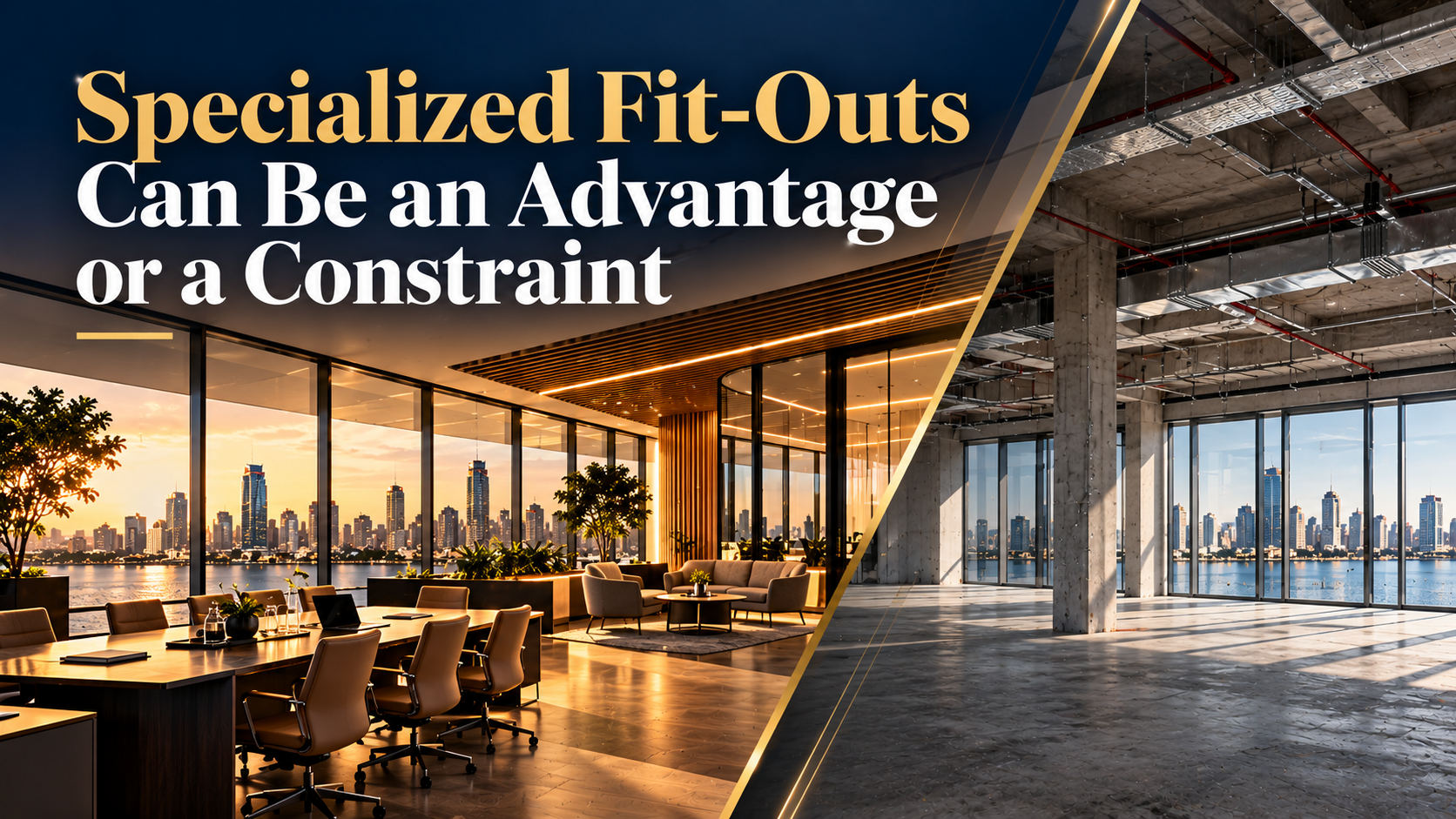
Specialized Fit-Outs in Commercial Property: An Advantage or a Constraint?
Specialised fit-outs can make a commercial property more functional, attractive and suitable for a particular business. From medical centres and food preparation facilities to industrial workshops and customised office spaces, these modifications can help tenants operate more efficiently. However, what works perfectly for one tenant may not suit another. For commercial property investors in Australia, specialised fit-outs can create opportunities to attract specific occupiers, but they may also limit future leasing options if the property is too customised. Understanding the benefits and risks of tenant-specific improvements is essential when assessing a commercial property investment.
What Is a Specialized Commercial Property Fit-Out?
Examples include:
1. Medical facilities: Consultation rooms, treatment areas, plumbing and specialized electrical systems.
2. Food and hospitality spaces: Commercial kitchens, extraction systems, grease traps and food preparation areas.
3. Industrial properties: Specialized power supply, reinforced flooring, ventilation and production equipment.
4. Office spaces: Custom meeting rooms, technical infrastructure and specialized work areas.
5. Retail properties: Purpose-built displays, customer service areas and specialized storage facilities.
How Specialized Fit-Outs Can Benefit Commercial Property Investors
1. Attracting Industry-Specific Tenants
A property equipped for a particular business activity may appeal to tenants who would otherwise need to invest significant time and money in modifications.
For example, a medical centre with suitable consultation rooms and plumbing may appeal to healthcare operators looking for a ready-to-use facility.
When the fit-out meets genuine market demand, it can help position the property more competitively.
2. Improving Property Functionality
Specialized features can make a commercial space more efficient for its intended use. Appropriate layouts, infrastructure and equipment provisions may support smoother day-to-day operations.
For investors, the key consideration is whether these improvements address practical tenant requirements rather than simply making the property more expensive to develop.
3. Supporting Tenant Retention
When a property is well suited to a tenant's operations, relocating may involve disruption, additional expenditure and the need to establish new infrastructure.
A fit-out that supports the tenant's long-term requirements may therefore contribute to tenant retention. However, retention also depends on rental terms, business performance, location and the tenant's future needs.
4. Creating a Competitive Advantage
In markets where tenants require specific infrastructure, a suitably fitted-out property may stand out from comparable spaces that need extensive modifications.
This advantage is strongest when the features are relevant to multiple potential tenants within the target market.
Investors should not assume that specialized fit-outs automatically increase property value or rental income. Their contribution depends on market conditions, costs and the property's leasing potential.
When Specialised Fit-Outs Become a Constraint
1. A Smaller Pool of Potential Tenants
The more customised a property becomes, the fewer businesses may be able to use it without major changes.
A facility designed around one tenant's highly specific requirements may be difficult to lease if that tenant vacates.
This can increase the risk of extended vacancy and additional leasing costs.
2. Expensive Conversion and Refurbishment
Removing specialised equipment, changing layouts or restoring a space to a more general-purpose condition can be costly.
Investors should consider whether future modifications may require significant capital expenditure, particularly where plumbing, ventilation, electrical systems or structural changes are involved.
3. Limited Flexibility for Future Uses
Some fit-outs may not be compatible with alternative business activities or the property's permitted use.
Before purchasing, investors should investigate planning controls, building requirements and the feasibility of adapting the premises for other occupiers.
4. Fit-Out Costs May Not Be Recovered
A tenant-specific improvement does not necessarily translate into a higher sale price or stronger rental return.
If the market does not value the features, the investor may struggle to recover the cost of installing or maintaining them.
The important question is not simply how much has been spent on the fit-out, but whether it creates measurable value for future tenants.
What Should Investors Assess Before Buying a Specialised Commercial Property?
Before committing to a commercial property investment in Australia, consider the following factors:
Tenant demand: Is there a reliable market for businesses that need this type of fit-out?
Adaptability: Can the space be modified for other tenants without excessive cost?
Fit-out condition: Are the existing improvements functional, compliant and well maintained?
Conversion costs: How much could it cost to remove, replace or modify specialised features?
Lease agreement: Who is responsible for repairs, maintenance, reinstatement and removing tenant-installed fixtures at the end of the lease?
Exit strategy: Would the fit-out appeal to potential purchasers, or could it limit the property's resale market?
These considerations help investors evaluate whether a specialized fit-out is a genuine asset or a potential future liability.
The Importance of Balancing Specialization and Flexibility
The strongest commercial property decisions consider both current use and future possibilities.
A fit-out should meet the requirements of the intended tenant while preserving as much practical flexibility as possible. Investors should assess the local leasing market, the cost of future modifications and the likelihood of attracting alternative occupiers.
Specialized infrastructure can be a valuable competitive advantage when it meets an established market need. Without that demand, it can become an expensive constraint.
Conclusion
Specialised commercial property fit-outs can improve functionality, attract suitable tenants and help a property stand out in the Australian commercial real estate market. However, they can also increase conversion costs, limit tenant options and create challenges when a lease ends.
For investors, the goal is to look beyond the existing fit-out and assess its long-term usefulness, adaptability and potential impact on rental income and resale value.
A successful commercial property investment is not just about how well a space serves its current tenant. It is also about how effectively it can serve the next one.
Related Commercial Property Guides
Mlina Editorial — Mlina Group helps Australians invest in commercial property through buyer advocacy, education, and asset management. Meet our team.
Ready to Take the Next Step?
Learn more about commercial property investment in our upcoming webinar
Join Our Next Webinar